in today's gaming environment, minecraft bedrock edition (mcbe) has attracted the attention of a large number of players. in order to ensure a good gaming experience, it is particularly important to choose the right server. this article will discuss the best selection and configuration tips for taiwan server 1.9 mcbe to help players optimize the game experience and improve server performance.
taiwan servers are able to provide low-latency connections to players in asia due to their strategic location. compared with servers in other regions, taiwanese servers can effectively reduce data transmission time, thus improving game smoothness. in addition, taiwan's network infrastructure is relatively mature and can provide stable services and high bandwidth, suitable for large-scale online games.
when choosing a taiwanese server, you first need to consider the reputation and service quality of the server provider. some well-known service providers can usually provide a more stable server environment and better after-sales support. it is recommended that players refer to user reviews and professional reviews when choosing to ensure that the chosen provider can meet their needs.
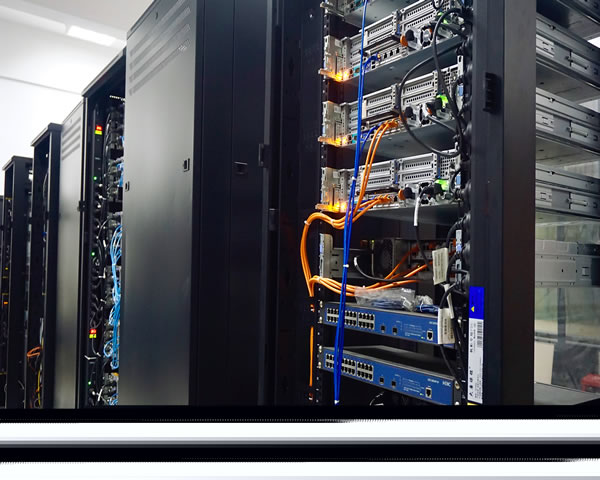
for mcbe servers, hardware configuration is a key factor in ensuring game performance. first of all, the processor (cpu) should have high performance and be able to support multi-thread processing to handle a large number of player requests. secondly, the memory (ram) capacity is also very important. it is recommended to configure at least 4gb to ensure the smooth running of the game. in addition, choosing ssd hard drive instead of traditional hdd can also significantly increase data reading speed and reduce loading time.
network bandwidth directly affects the server's carrying capacity and response speed. for mcbe games, it is recommended to choose a package with a bandwidth of more than 100mbps to support more players online at the same time. at the same time, latency is also an important factor in the gaming experience, and the ideal latency should be less than 50 milliseconds. choosing a server closer to players can effectively reduce latency and improve the gaming experience.
after the server configuration is completed, reasonable settings are also an important part of improving game performance. first, performance can be optimized by adjusting game parameters, such as limiting the number of players, adjusting chunk loading distance, etc. secondly, regularly cleaning up useless data in the server can improve server response speed. in addition, using optimization plug-ins or tools can further improve server performance and stability.
data security is crucial for any game server. it is recommended to back up game data regularly to prevent data loss due to unexpected circumstances. at the same time, choosing a server with firewall and ddos protection functions can effectively resist network attacks and ensure the safe operation of the server.
an active community can provide players with more support and help. when choosing a taiwanese server, you can pay attention to the community activity of the server to understand whether it has a sufficient player base. at the same time, high-quality customer service support is also essential, able to provide timely solutions when encountering problems and improve the overall user experience.
choosing the right taiwan server 1.9 mcbe is the key to improving your gaming experience. it is recommended that players consider factors such as the reputation of the server provider, hardware configuration, network bandwidth, server settings and security when choosing a server. through reasonable configuration and optimization, players can enjoy a smoother and more stable gaming experience. i hope the above content can provide you with valuable reference when selecting and configuring a server, helping you to have a smooth journey in the world of minecraft.
- Latest articles
- Practical Guide And Advice On Choosing The Most Stable PUBG Server In South Korea
- How Does Cross-border Business Use Cloud Servers? Singapore Servers Improve Access Experience
- How To Enter The Vietnam Server Now? A List Of Graphic Steps And Common Misunderstandings That Even Beginners Can Understand.
- How Does An Enterprise Choose A Hosting Plan That Supports Multiple IPs For US Site Group Servers?
- Looking At The Stability And Compliance Requirements Of Cross-border Transactions From The Futian Hong Kong Station Group Server
- Evaluate The Compliance Certificate And Protection Capabilities Of US Cloud Rental Servers From A Security Perspective
- Purchasing Advice Hong Kong Vps Cloud Server 8 Core How To Choose The Appropriate Package According To Business Load
- Comparative Analysis Of Computer Room Distribution And Network Interconnection Performance Of Server Companies In Taiwan
- Cost Control Billing Model And Money-saving Tips For Taiwan’s Native IP Server Cloud Server
- Cost And Operation And Maintenance Perspective Differences Between Hong Kong Cn2 And BGP Comparison Of Procurement And Maintenance Costs
- Popular tags
-

Comparative Evaluation Of Which Taiwan Native Ip Platform Has More Advantages In Latency And Stability
this article is "comparative evaluation of which taiwanese native ip platform has more advantages in latency and stability". it conducts a professional evaluation of the latency and stability of various taiwanese native ip platforms from the perspectives of testing methods, indicators, influencing factors, etc., and gives suggestions for applicable scenarios. -

Network Engineers Suggest Common Optimization Methods To Address Inland Latency On Taiwanese Servers
Network engineers suggest common optimization methods to address inland latency in Taiwan servers, including routing optimization, CDN deployment, transmission protocol tuning, link management, and monitoring testing to improve access speed and stability. -

After-sales Service Comparison: Support And SLA Explanation For Taiwanese Cloud Hosting Brands’ Cloud Servers
It analyzes the key aspects of cloud hosting brands in Taiwan regarding after-sales service, support channels, and SLAs (Service Level Agreements). It provides comparison criteria and localized selection suggestions to help businesses make informed decisions when deploying cloud servers in Taiwan.